




Protective Fabrics Uncovered: A Guide to Selecting the Best Coveralls
Sizing and Fit: Tailoring Protection to Your Needs
Proper sizing and fit are essential for the effectiveness and comfort of protective coveralls. Here’s what to consider:
- Measure Accurately: Use a tape measure to determine chest, waist, hip, and inseam lengths. Refer to the manufacturer’s sizing chart.
- Fit for Movement: Ensure the coveralls allow for full range of motion without restriction. Test by bending, stretching, and reaching.
- Layering Space: Consider the clothing you’ll wear underneath. There should be enough space to layer without compromising mobility.
- Closure Systems: Check that zippers, elastic cuffs, and ankle closures adjust easily for a secure fit that prevents exposure.
- Replace if Altered: Never alter coveralls to fit. If they don’t fit properly, replace them with the correct size to maintain protection integrity.
Remember, the right fit not only increases safety but also wearer comfort, leading to better compliance and overall protection on the job.
Layered Defense: Understanding Your Options in Protective Coveralls
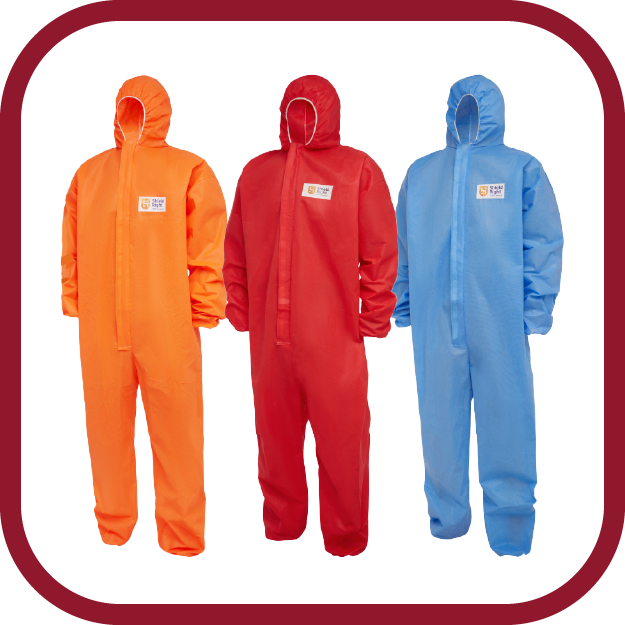
When it comes to selecting the right protective coveralls for a job, understanding the differences between materials like polypropylene, SMS (Spunbond Meltblown Spunbond) Type 5-6, and microporous fabrics is crucial. Here’s a comprehensive comparison to help you make an informed decision.
Polypropylene Coveralls
Polypropylene coveralls are designed for non-hazardous applications. They are made from a single layer of spunbond polypropylene, making them suitable for tasks where a basic level of protection is sufficient. These coveralls are lightweight and offer breathability, which makes them comfortable for wearers during extended use. However, they may not provide adequate protection against chemical splashes or hazardous dust.

SMS Type 5-6 Coveralls
SMS coveralls are constructed from a triple-layer fabric composed of spunbond, meltblown, and another layer of spunbond polypropylene. This combination offers a balance between durability and breathability. The Type 5-6 classification indicates that these coveralls provide protection against hazardous dust (Type 5) and limited liquid splashes (Type 6). They are commonly used in asbestos removal, pesticide spraying, and other industries where a higher level of protection is needed.
(1).png)
Microporous Coveralls
Microporous coveralls are made from a non-woven fabric laminated with a microporous film. This material provides a superior barrier against fine particles and liquid splashes, making it ideal for use in environments with higher levels of contamination. The microporous layer allows for breathability while maintaining a strong defense against hazardous substances. These coveralls are often used in paint spraying, fiberglass work, and pharmaceutical manufacturing.
Comfort and Breathability:
- Polypropylene: Offers good breathability and comfort but less protection.
- SMS Type 5-6: Balances protection with breathability, suitable for warmer environments.
- Microporous: Less breathable than SMS but provides a better barrier against liquids.
Protection Level:
- Polypropylene: Basic protection, suitable for non-hazardous tasks.
- SMS Type 5-6: Higher protection against dust and splashes, suitable for hazardous work.
- Microporous: Best protection against fine particles and splashes, ideal for high-contamination areas.
Durability and Strength:
- Polypropylene: Generally less durable and may tear more easily.
- SMS Type 5-6: Added strength due to the triple-layer construction.
- Microporous: High tensile strength and tear resistance.
In conclusion, the choice between polypropylene, SMS Type 5-6, and microporous coveralls depends on the specific requirements of the job at hand. Consider the nature of the contaminants, the work environment, and the need for comfort when making your selection. Always ensure that the coveralls meet the necessary safety standards and provide the appropriate level of protection for the tasks being performed.